
Grass Roofs, Open Trails: Building Kiosks Together
We are diving into community-built trail access kiosks using local thatching techniques, celebrating how neighbors, hikers, and craftspeople unite to raise small landmarks that guide, shelter, and inspire. Expect practical steps, heartfelt stories, and field-tested advice that blends old-world craft with trail stewardship. From reed bundles harvested after dewfall to map boards that speak clearly in all seasons, this journey turns shared effort into a welcoming gateway. Bring your questions, your gloves, and your curiosity; by the end, you will feel ready to gather friends, source materials responsibly, and weave a durable roof that looks like it has always belonged.
The first gathering
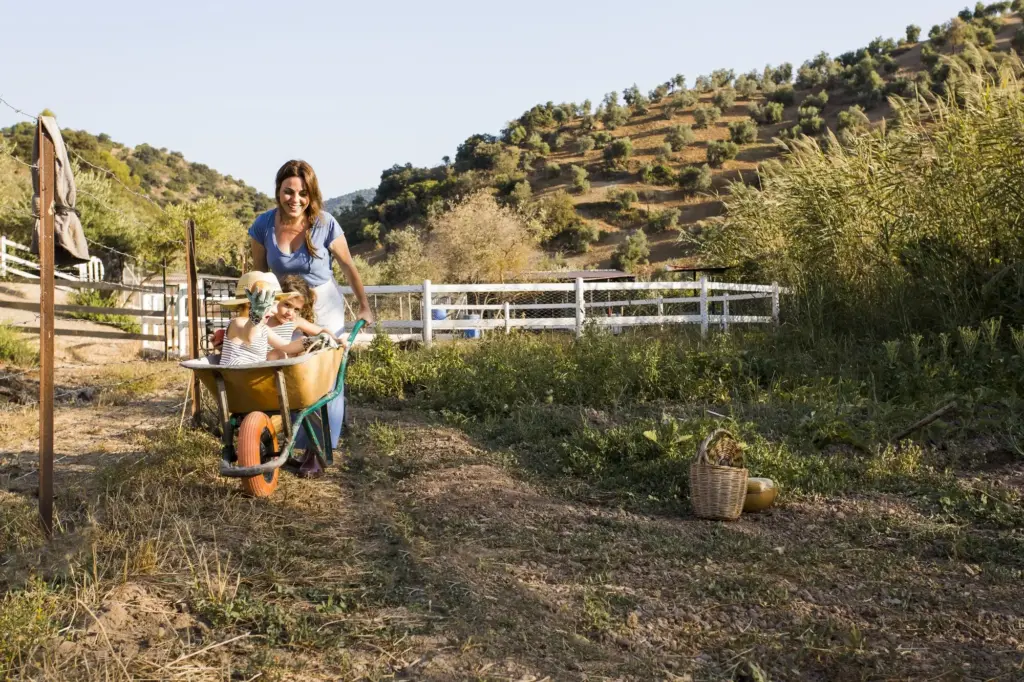
Spread a map on a picnic table, tape the corners against the breeze, and invite people to place sticky notes where they imagine shade, signage, and benches. Pass around old photos of thatched shelters to spark textures and color ideas. Keep the meeting short, friendly, and concrete: three decisions made, one story shared, and a sign-up sheet with real commitments. Before leaving, establish the next date, a clear materials wish list, and a channel for updates. People return when they sense progress, purpose, and room for their hands.
Choosing the site wisely
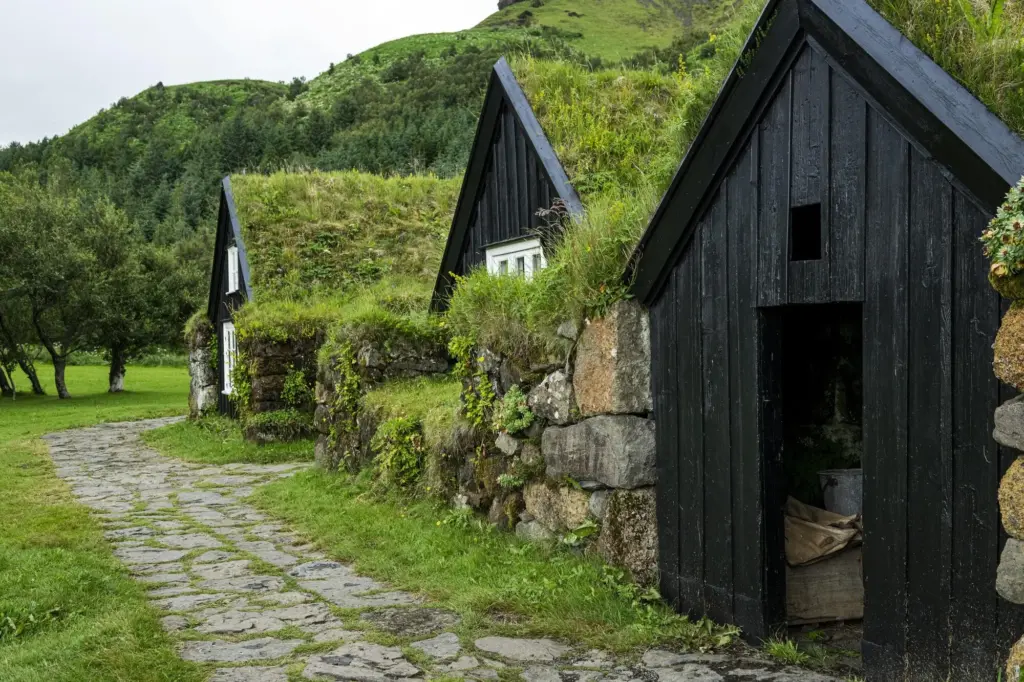
A good kiosk stands where feet naturally pause. Test sightlines from the parking area and main junction, then step into a wheelchair or push a stroller to confirm approaches feel smooth and dignified. Note drainage patterns after rain, avoiding spots that turn to soup. Orient the roof to shed prevailing weather and cast reliable shade over the map. Respect tree roots, seasonal wetlands, and cultural features. Sketch the footprint with biodegradable marking paint, walk the edges with neighbors, and revise until the place feels inevitable rather than imposed.
Funding that feels like friendship

Budget in ways that invite participation. Microgrants from trail alliances, a bake sale behind the library, and a local sawmill donating wind-fallen timbers can cover most needs without stifling creativity. Barter for reed bundles with a wetlands restoration crew removing invasives, and thank them conspicuously on the kiosk board. Set a transparent ledger, celebrate even small gifts, and offer tangible updates showing how contributions become pegs, bundles, and bolts. A clear QR code supports distant donors, while a coffee tin at the worksite lets kids add coins with grins.
Harvesting respectfully
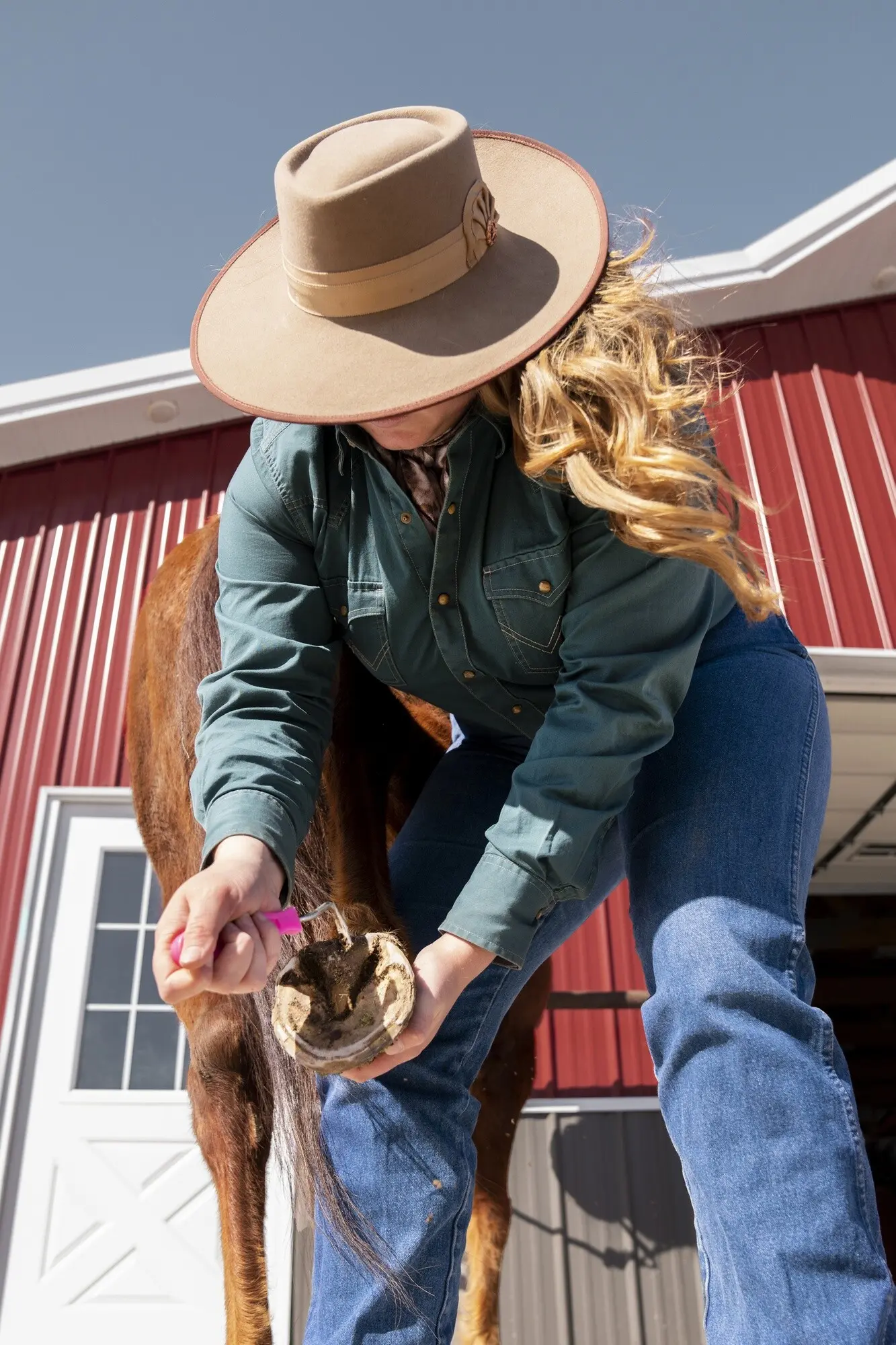
Scout marsh edges with permission secured, timing cuts after nesting and before hard frosts, when stalks cure best and wildlife needs are met. Work in small teams using sharp sickles or scythes, stacking reeds with tips aligned and butts even. Tie with jute twine into hand-manageable bundles, then label by date and patch to track performance later. Leave some stands untouched to maintain habitat diversity, and pack out trimmings. Dry under cover with generous ventilation, turning occasionally to prevent mildew. Ethical harvest yields roofs that wear both strength and gratitude.
Preparing bundles and frames
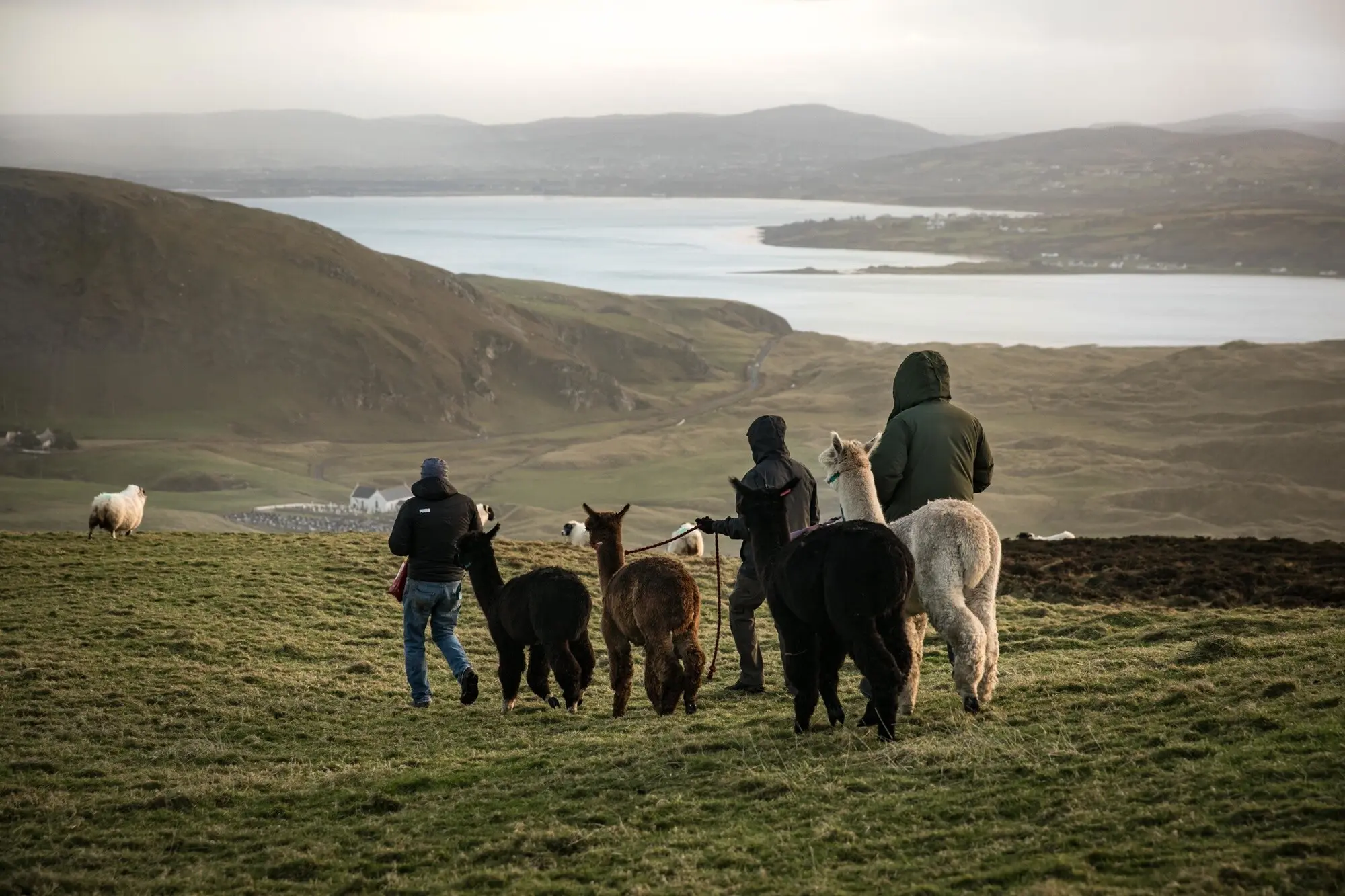
Before thatching day, comb bundles to remove seed fluff and short fragments, then soak selected reeds briefly to gain pliancy for tight dressing. Plane joinery surfaces smooth, cutting clean mortise-and-tenon pockets in sturdy posts and rails. Peg joints with hardwood dowels instead of metal where possible, reducing condensation risk beneath the thatch. Brush on boiled linseed oil cut with citrus solvent, or use a borax-borate mineral treatment for rot resistance. Preassemble the frame on sawhorses to confirm square, plumb, and level, so roofing becomes celebration rather than struggle.
Design that Endures: Strength, Beauty, and a Little Mischief
Durability thrives where structure, craft, and delight meet. The kiosk wants to be solid underhand, cheerful to the eye, and obvious to maintain. Consider generous eaves for protection, rounded edges that shrug off abuse, and finishes that welcome touch. Hide clever gutters within thatch layers while ensuring ventilation prevents trapped moisture. Add a tiny detail that makes people smile, like a carved trail emblem or a reed spiral at the ridge. When design invites care, vandalism declines, and volunteers feel proud to keep everything tight and true.
Framing for storms and snow
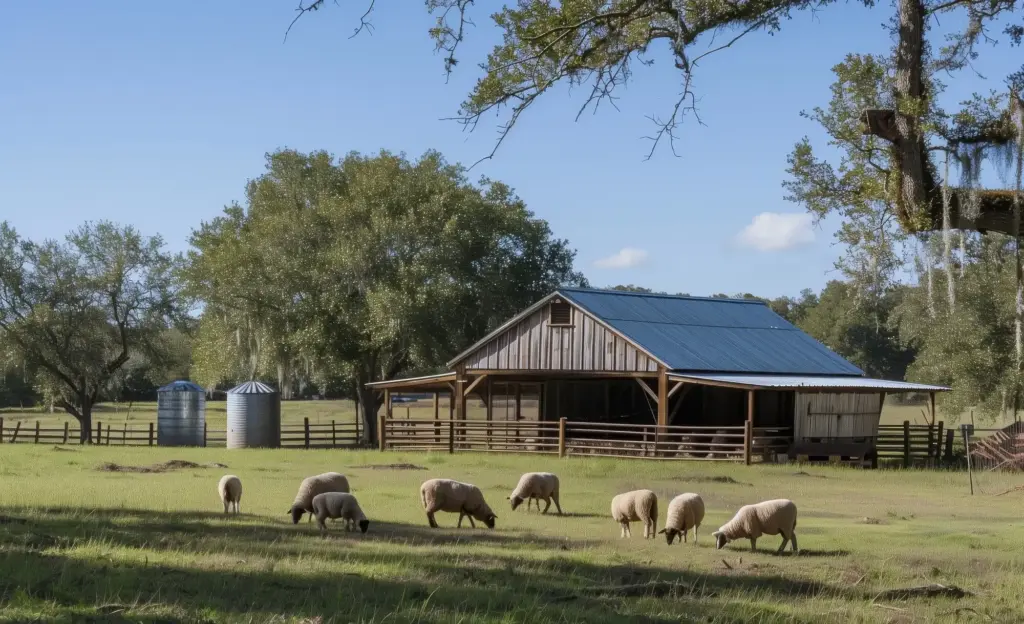
Build like weather is listening. Anchor posts below frost depth, backfill with compacted gravel for drainage, and use diagonal braces to quench racking forces. Hurricane ties or pegged half-laps secure rafters without visual clutter. Test movement by leaning shoulders into corners until nothing shivers. Check local snow loads and calculate a pitch that clears weight with grace. Where gusts prowl, add tensioned cables or concealed steel straps, then hide them kindly. The best reinforcement is invisible daily and heroic only when the sky decides to argue.
A thatched crown that sheds water
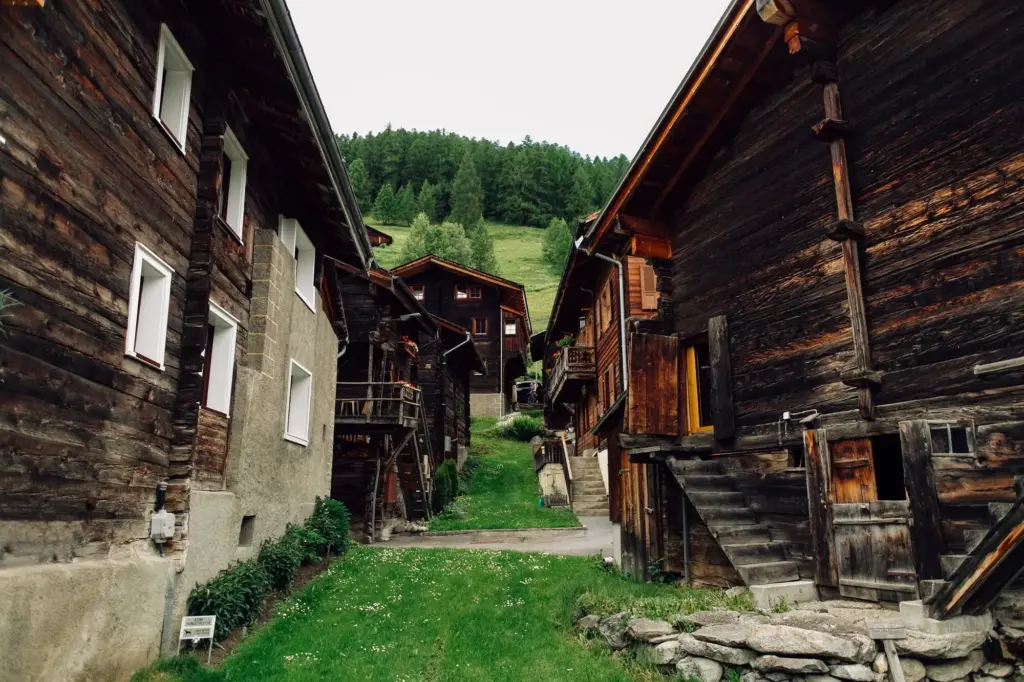
Start with a tight eave course that sets the angle, then step upward with firm dressing strokes, keeping butts aligned and thickness consistent. Pin courses with hazel spars twisted in gently, their points biting the laths just so. At the ridge, weave a cap of finer bundles or preformed ridging, lashing with natural fiber that swells in rain and holds truer. Trim cleanly, never scalping. Test with a hose and a smile. When water runs like silk and drips clear of wood, you will feel the roof exhale.

Details people remember
Invite hands and eyes to linger kindly. Chamfer beam edges so palms slide safely, carve a small motif echoing local plants, and integrate a narrow bench that welcomes lacing boots. Add a tactile relief of the trail junction for low-vision visitors, and a discreet QR plate linking to multilingual updates. Let a single reed spiral mark the northern corner, a wink for return visitors. These flourishes cost little yet return joy daily, transforming a shelter into a place where arrivals become beginnings, and departures carry stories outward.
Learning by Doing: Passing Thatching Skills Across Generations
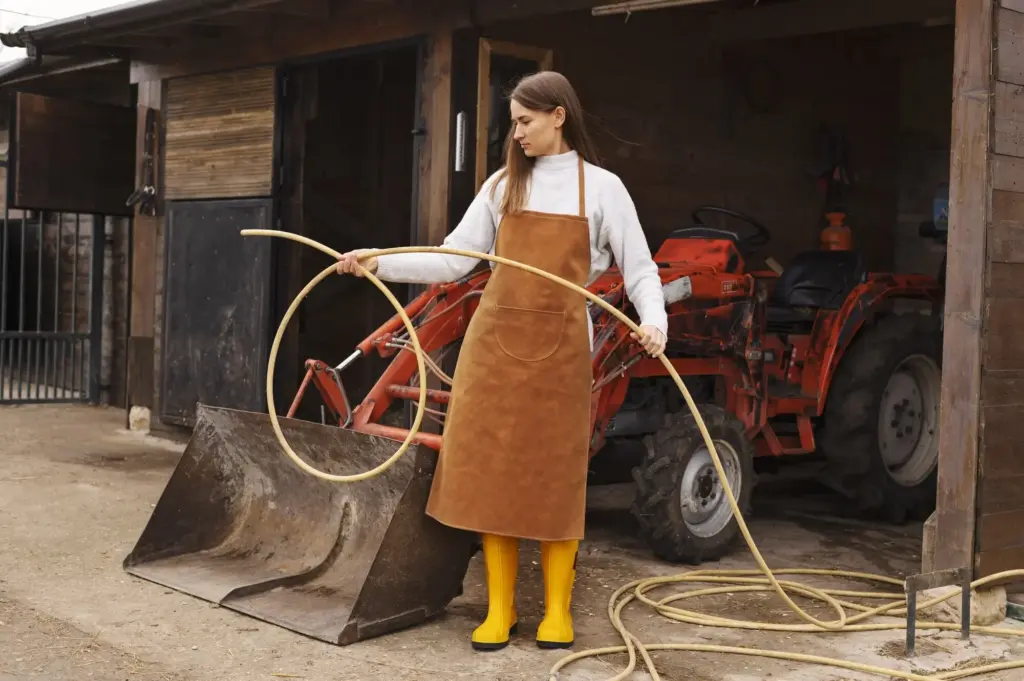
Skill spreads best in daylight with laughter nearby. Host open workshops where elders show wrist turns for dressing reeds, teenagers manage material flow, and kids tie practice knots on fallen branches. Keep safety visible but encouraging, with gloves, eye protection, and patient mentorship. Invite school groups to sketch textures, record interviews, and document progress for community archives. Mistakes become lessons, not scoldings, and each corrected slip strengthens both craft and crew. When knowledge lives in neighbors rather than manuals alone, the kiosk inherits guardians long after ribbon cutting.
What the Kiosk Says: Maps, Warnings, Welcome, and Wonder
A kiosk speaks even before reading begins. It orients, calms, and nudges better choices. Design with clear hierarchy: big questions answered first, details tucked where patience lives. Use typefaces readable in weathered light, colors friendly to color blindness, and icons that survive a quick glance. Layer content: a bold overview map, concise rules, seasonal alerts, and a spot for community updates. Add braille and tactile elements, plus multilingual basics. When people feel respected by the board, they repay with trail etiquette, gratitude, and returning footsteps.

Permissions, Safety, and Care: Doing Right by Land and People
Building with integrity starts before the first stake. Seek permits early, listen more than you speak, and invite feedback from land managers, neighbors, and tribal representatives with ties to the site. Complete a light-touch ecological review confirming timing avoids sensitive seasons and rare species. Plan fire safety with mineral breaks and discreet lightning protection, and confirm accessibility clearances. Prepare first-aid kits, water, shade, and rest rotations for volunteers. A respectful path through rules protects both the place and the people who pour their energy into it.
Working with agencies and neighbors
Introduce the project as an offer to care, not a fait accompli. Meet the county planner with drawings showing setbacks and drainage. Walk the site with the park warden and gather practical advice about visitor flow. Invite tribal cultural liaisons to share history and guidance, honoring stories that predate trails. Draft a simple memorandum capturing responsibilities and maintenance expectations. Share timelines publicly, celebrate approvals, and thank reviewers by name. When oversight becomes partnership, red tape turns into a supportive ribbon that steadies the build rather than tangling it.
Building safely from first strike to last sweep
Safety is a daily practice, not a lecture at dawn. Begin each workday with a short briefing and tool check. Helmets, eye protection, gloves, and sensible footwear are non-negotiable. Keep ladders tall enough, tied off, and set on level footing. Assign a spotter when anyone climbs, and a first-aid lead with a charged phone. Stage materials to avoid tripping tangles. Rotate tasks to prevent fatigue, and pause for water before mistakes whisper their intentions. Finish with a sweep for nails and offcuts. The ritual builds trust and clean sites.
Protecting habitat while we work
Flag sensitive plants and burrows before staking anything. Set down temporary mats where barrows cross soft soils. Schedule noisy tasks outside dawn and dusk to spare wildlife commotion. Keep reed trimming and cutting stations away from wetlands so fragments do not drift where they do not belong. Cover cement or finish containers against sudden rain, and collect every scrap before leaving. If you discover a nest or den, stop, photograph, and consult a local biologist. Habitat-aware habits make the structure feel like a guest, not an intrusion.
Keeping It Alive: Maintenance Rituals and Ongoing Community Joy
A living structure deserves living attention. Establish a simple calendar for inspections, light dressing, and seasonal cleanups. Thatch loves a gentle brush to lift sags, a patient eye for bird pecks, and a quick patch before drips develop. Replace ridge caps on a rhythm measured in years, not months. Keep spare bundles dry, tools labelled, and notes from past fixes posted inside the kiosk cabinet. Celebrate workdays with thermoses and stories, then share photos and tips widely. Ongoing care turns a one-time build into a beloved, renewing practice.
All Rights Reserved.