From Eaves of Thatch to the First Waymarker

Today we wander through the quiet union of thatched roofs and trailheads, noticing how village craft and wild footpaths belong to one another. We’ll help you set out from cottage lanes toward open hills, honoring heritage, navigating confidently, and returning with mud on boots, stories in pockets, and new friends.

Mapping the Meeting Point

Start by reading the threshold where cobbled lanes, hedges, and the last slate of the village give way to meadows and waymarkers. Understanding this handoff between home and horizon shapes safer plans, better timing, easier parking, and richer attention to the small signals guiding beginnings.

Reading a Landscape Like a Map

Look for desire lines worn into verge grass, scuffs on stiles, faint arrows burned by boots, and the polite chaos of a trailhead noticeboard. Together with paper maps or trusted apps, these clues confirm direction, surface conditions, seasonal closures, and the mood of the day.

Village Edges and Quiet Departures

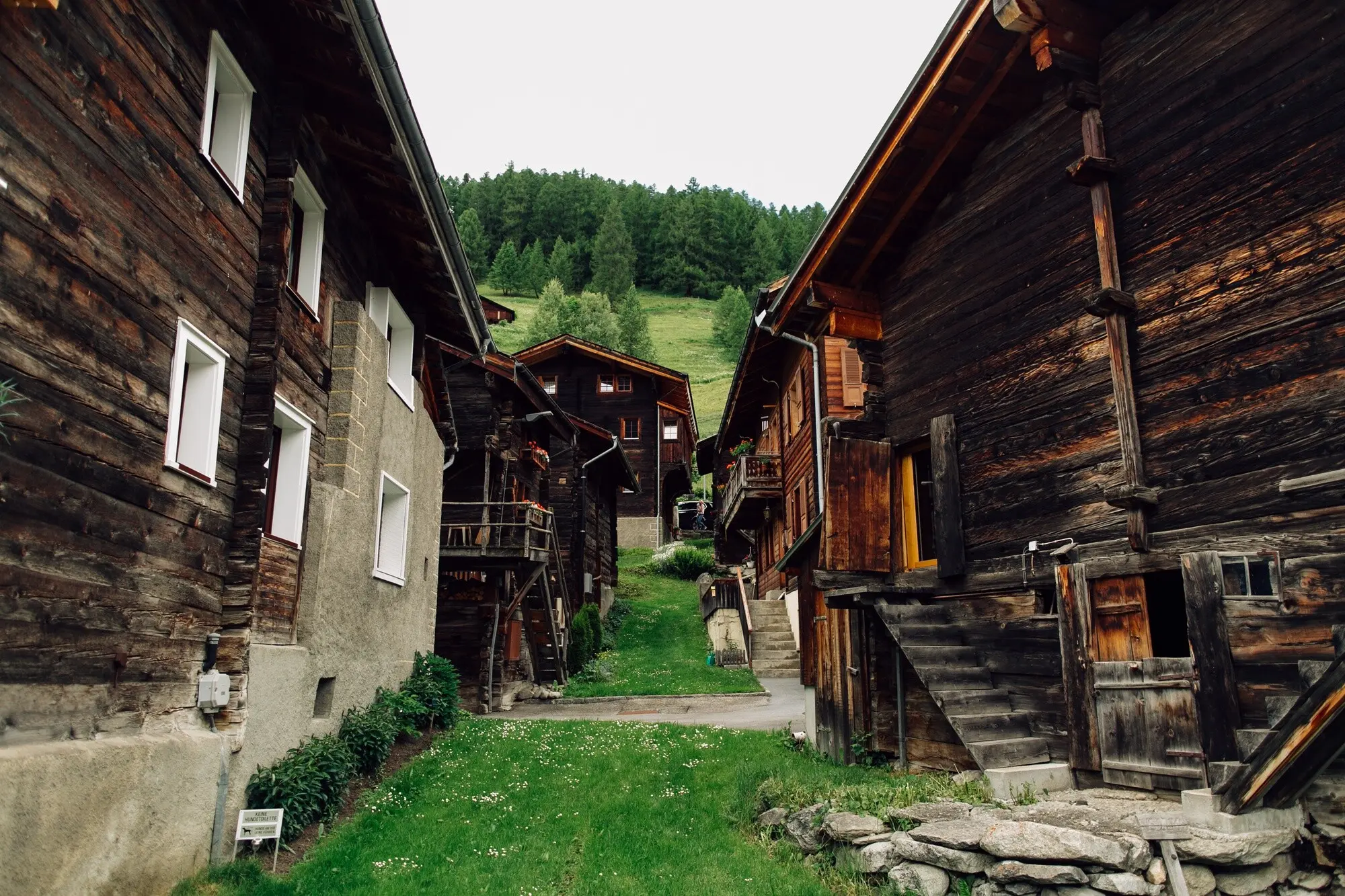
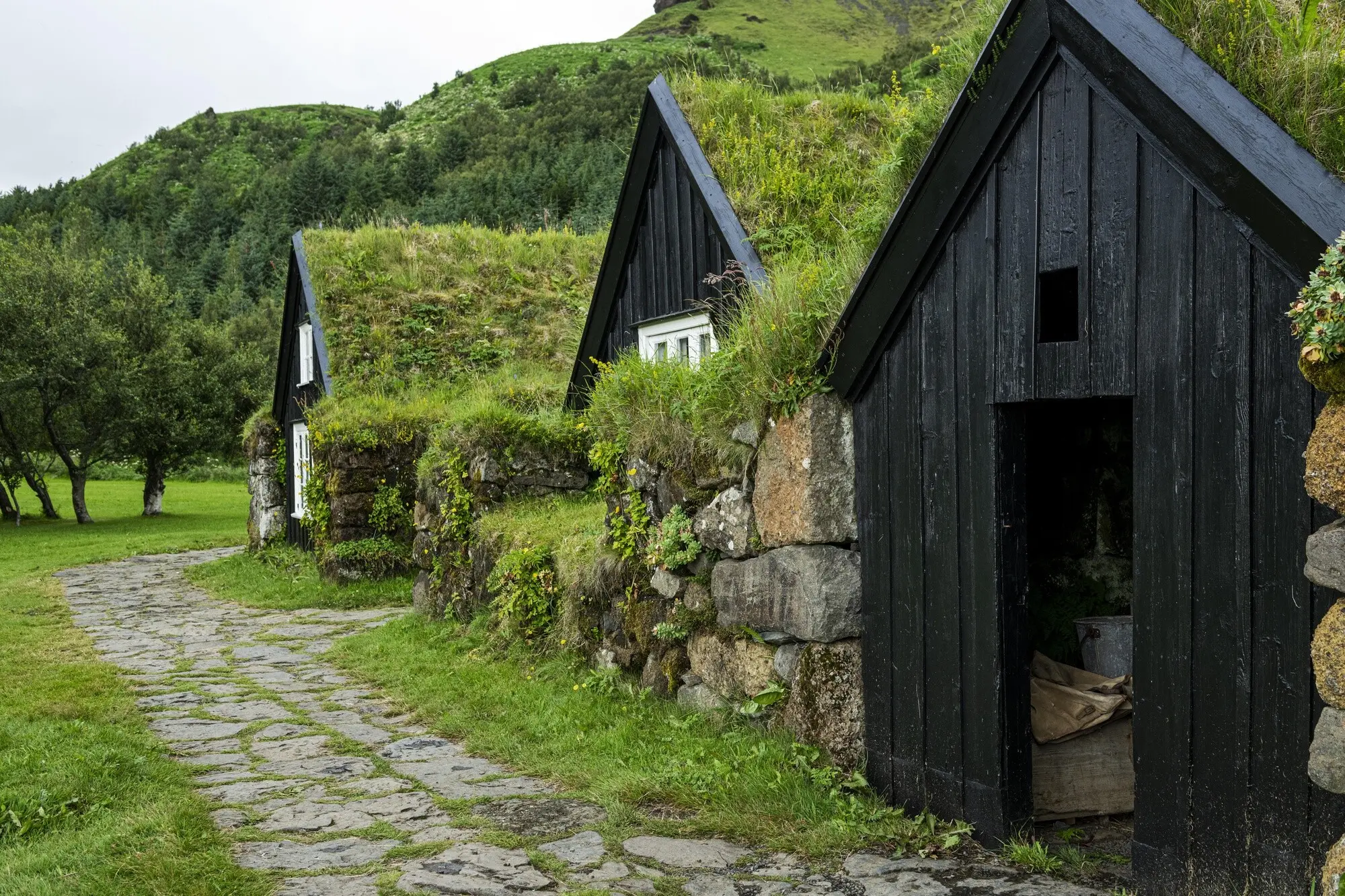
Early steps often pass washing lines, low eaves, and thatch ridges shaped like waves, reminding you to tread softly. Keep voices low, close gates gently, and let dogs heel until fields widen. Courteous beginnings earn smiles later, plus local tips that rarely appear on any map.

Finding Respectful Access

Rights of way and permissive paths can differ by county, country, and landowner preference. Read posted guidance, honor diversions, and sidestep crops rather than trampling. When in doubt, ask at a nearby cottage garden or pub; conversation often reveals kinder, quieter entrances everybody appreciates.

The Living Craft Above the Door

A thatched roof breathes, insulates, and seasons with weather, carrying centuries of local skill in every bundle. Understanding reed versus straw, ridge patterns, and maintenance rhythms enriches journeys, because appreciating the shelter behind you often guides how confidently and considerately you step into the unknown.

Trailhead Wisdom for Confident Starts

Good beginnings feel unhurried. Check access notes, parking limits, bus timetables, and water points, then choose a realistic loop. Matching distance, elevation, and daylight to your energy prevents rushed decisions, allowing generous pauses for hedgerow berries, rooks swirling above chimneys, and sudden skylarks over barley.

Weather Windows and Soft Landings

Watch wind against the thatch; gusts that lift ridges will bite on open moor. Seek spells between fronts, when paths drain and light turns honeyed. Build contingencies: sheltered cutoffs, bothy notes, or a village café willing to refill bottles and kindness after miles.
Navigation That Starts on the Doorstep

Before stepping away, orient the map by a chimney stack, yew, or phone box, then trace features to the first gate. Noting bearings near home builds confidence, so mist on the ridge later feels familiar, not frightening, like recognizing a friend in passing cloud.
Small Logistics, Big Comfort

Slip a sit-pad, headlamp, and spare socks beside the door where boots live. Park with wheels off verges, leave notes for household return time, and snap the noticeboard. These tiny rituals compound into relaxed strides, better conversations, and easier generosity when strangers ask for help.

A Rainy Noon and a Warm Kettle

Once, caught under a silver squall near a mill, we tucked beneath a generous eave while steam curled from a kitchen. A stranger shared tea, and maps opened like wings. The downpour softened, laughter lingered, and we stepped back out changed, slower, grateful.

First Light, Red Kites

We left at dawn as roosters muttered and thatch still glistened with dew. At the stile, red kites rode a rising breeze, tails twisting like commas. Their silhouettes guided our cadence, reminding us to watch sky as carefully as mud, stones, and footsteps.

A Wrong Turn, A Better Conversation

Missing a waymark by a hawthorn hedge, we wandered toward a cottage where a ladder leaned against fresh ridge work. The thatcher paused, grinned, and sketched a shortcut on a plaster bag. We earned directions, a joke, and a new appreciation for craft.

Stewardship: Roof, Path, and Place

Care for buildings and trails intertwines. Choosing local materials, respecting closures, and packing out litter protect habitats and livelihoods. When you buy bread, hire guides, or tip a thatcher’s apprentice, resilience grows; bridleways stay passable, roofs shed well, and communities welcome walkers back warmly.

Light, Angles, and Honest Detail

Side light reveals straw sheen and reed edges, while backlight silhouettes finials like ship figureheads. Avoid heavy filters; let weather speak. Frame the first waymarker with the roofline behind, celebrating continuity from shelter to step, and your audience will feel the invitation immediately.

Sketchbooks Beside Stiles

Carry a pencil, tiny watercolor tin, and a clip to tame the breeze. Five minutes at a gate captures more memory than a dozen rushed photos. Draw the curve of a ridge, annotate birdsong, and later your notes will turn into generous route guidance.