Tradition Over the Trail: Thatched Roofs at the Gateway

Step into a collection of real-world case studies of parks integrating thatched roofing into trailhead infrastructure, where vernacular craft meets resilient design. Discover how reed, palm, and grass can elevate wayfinding, comfort, and identity while meeting codes, budgets, and climate stresses. Share your experiences, ask questions, and subscribe to follow new field updates, drawings, and maintenance insights gathered from rangers, thatchers, and visitors who shaped these gateways.

Field Notes from Gateway Experiments

Across pilot projects and matured installations, practitioners describe how a thatched canopy transforms the first meters of a trail from mere threshold to memorable place. We compile planning decisions, procurement twists, and on-the-ground adjustments that kept structures dry, legible, and welcoming. Expect pragmatic detail, candid missteps, and small triumphs that made visitors linger, snap photos, and read maps in cool shade while queues shortened and stewards gained time for interpretation.

Early Briefs and Success Criteria

Teams began by defining comfort targets, durability horizons, and cultural alignment, then matched them with site wind data and path desire lines. In workshops, rangers prioritized shade over full enclosure, while historians advocated visible ridge craftsmanship. These shared metrics anchored choices around pitch, eave height, vendor capability, and interpretive storytelling woven directly into the structure’s welcoming silhouette.

On-Site Adjustments that Saved the Day

During installation, crews moved footings a meter to spare a root flare, added temporary sheeting before a surprise squall, and reoriented kiosks for better morning light. Small tactical decisions protected habitat, reduced rework, and preserved crisp drip edges. The result felt intentional rather than improvised, with dry benches and clearer sightlines rewarding both patience and fieldcraft.

What Visitors Noticed First

Interview notes reveal visitors instantly recognized the texture and scent, describing the shelter as calm, cool, and photogenic. Kids brushed the reed tails; grandparents recalled village memories; hikers praised glare-free maps. Crucially, people stayed longer, asked rangers focused questions, and began their routes feeling oriented rather than rushed, easing congestion and elevating stewardship moments.

Materials and Performance Under Real Weather

From coastal spray to mountain freeze-thaw, thatch assemblies at trailheads endure punishing cycles while protecting signage, queues, and gear checks. We unpack species selection, bundle density, fire-retardant treatments, and substructure choices that balance durability with authenticity. Expect numbers where they matter and plain language where myths obscure reality, so maintenance crews and planners can decide confidently.

Reed, Palm, and Grass Compared

Water reed offers long fibers and steep-pitch tolerance, palm fronds excel in tropical ventilation, and heather brings rustic density for compact shelters. We review sourcing ethics, transport impacts, and bale preparation that influence lifespan, including moisture testing and knot discipline. Practical insight replaces romance, ensuring the chosen material truly fits prevailing winds, UV, and visitor load.

Hidden Layers That Keep Water Out

Under the textured surface, clever battens, breathable membranes, and carefully dressed ridges control capillary creep and uplift. Detailing matters at every intersection: bindings, nail choices, and lap lengths determine whether a storm is shrugged off or invited inside. Photographed mockups and dye tests helped teams verify flow paths before committing to full coverage.

Fire, Embers, and Responsible Protection

Codes demanded conservative assemblies near parking and kiosks. Teams paired mineral-based barriers, concealed sprinklers, and tested retardants with vegetation setbacks and visitor education. Rather than compromise character, they created layered defense-in-depth that secured approvals and insurance while maintaining the unmistakable silhouette that draws people toward maps, trails, and ranger greetings without anxiety.
Design Details That Welcome and Last

A trailhead is a working junction, not a museum plinth. Success hinged on generous overhangs, intuitive approaches, and uncluttered sightlines that nested benches, racks, and boards beneath protective eaves. These case notes zoom into pitch geometry, ridge caps, lighting, and gutterless drainage strategies that prevent splashback while preserving the handcrafted expression visitors instinctively trust.

Snapshots from Different Landscapes

These concise portraits span humid tropics, temperate wetlands, and dry savanna, highlighting how materials, fixings, and siting strategies flex while identities remain clear. Names are anonymized per client requests, but measurements, failures, and lessons are real. Compare procurement paths, crew training, and visitor reactions to understand how context sharpens decisions without diluting character.

Lifecycle, Costs, and Care

Budgets tolerate beauty when maintenance is predictable and training is local. These studies track inspection calendars, repair techniques, and replacements, mapping costs against comparable metal or shingle roofs. We translate warranty language, share unit rates, and unpack hidden savings from cooler microclimates, longer map life, fewer slip incidents, and happier rangers who greet more prepared hikers.

People, Policy, and Place

Conversations that Build Ownership
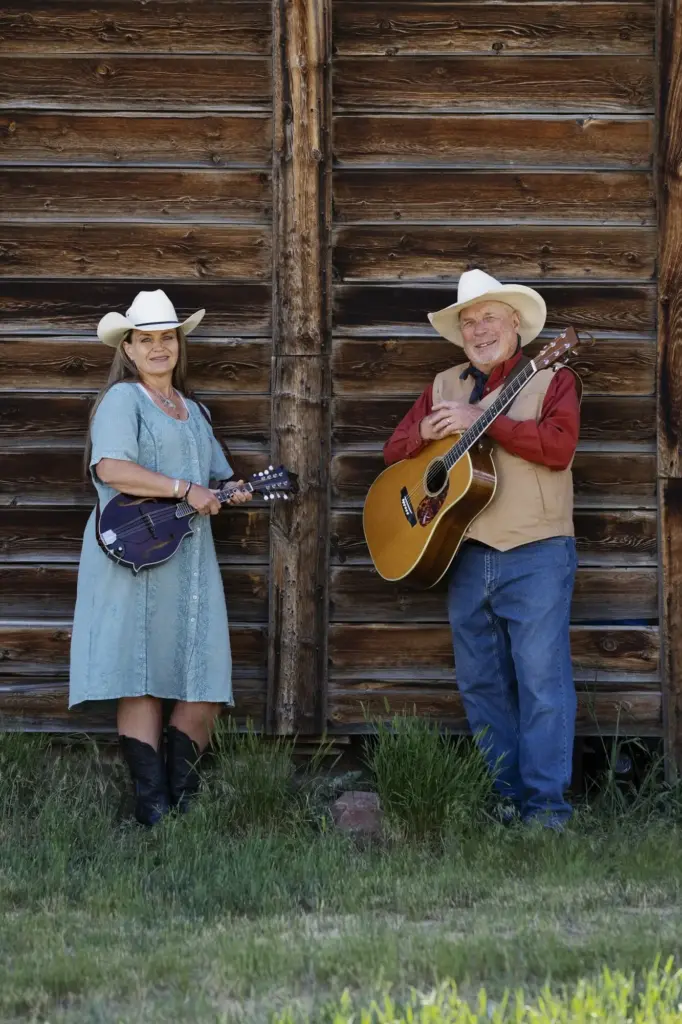
Pop-up charrettes, shaded by sample bundles, invited hikers to touch materials, smell the reed, and vote on ridge forms. Listening sessions uncovered mobility needs and indigenous names for the trail junction. When opening day arrived, people recognized themselves in the details, treating the shelter like a cared-for neighbor rather than anonymous infrastructure to be endured.

Permits Without Headaches

Approvals moved faster when teams mapped code intents to component behavior, showing defensible space, ignition resistance, drainage, and accessible routes clearly. Third-party test summaries, plus site fire management plans, reassured reviewers. Instead of exceptions, submissions framed compliance as collaboration, aligning measurable safety with the evident public benefits of shade, legibility, and cultural continuity at the trail’s front door.

Measuring What Visitors Feel

Beyond counts, teams tracked sound levels, surface temperatures, and dwell time, correlating them with survey words like calm, clear, and proud. Where thatched gateways performed best, families staged gear smoothly, first-timers navigated confidently, and staff began conversations unhurried. Data supported keeping craftsmanship visible, renewing bundles on time, and expanding shade where wayfinding stress once spiked.