
Where the Path Begins Beneath a Thatched Crown
We journey into Designing Trailhead Shelters with Vernacular Thatched Architecture, honoring place, climate, and the hands that shape reed and timber. Expect practical design insights, field-tested details, and living stories from paths where hikers gather, orient, and rest. You will find inspiration rooted in local craft, ecological materials, and welcoming forms that frame the first step of every adventure with warmth, clarity, and resilient beauty.
Reading the Landscape
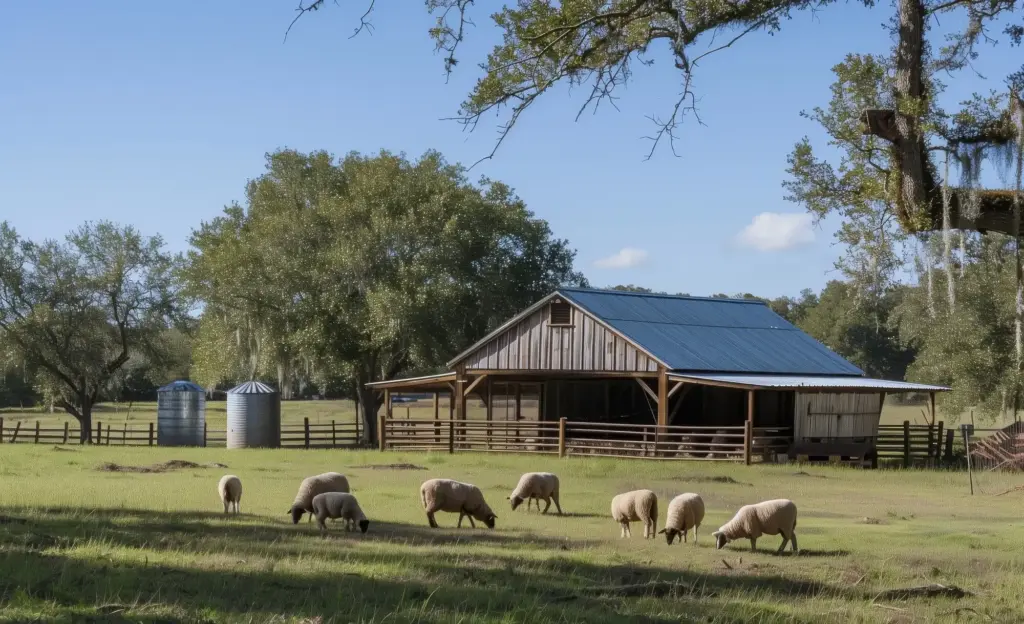
Walk the site at dawn and dusk to map breeze corridors, frost pockets, and the places voices echo. Sketch how people actually pause: near trail maps, dog water stations, or the best long view. Let those human rituals choreograph the shelter’s orientation, openings, and seating, while thatch overhangs shield wayfinding signs from glare and rain. Design is listening first, building second, and continually refining after the first muddy weekend.
Listening to Local Craft
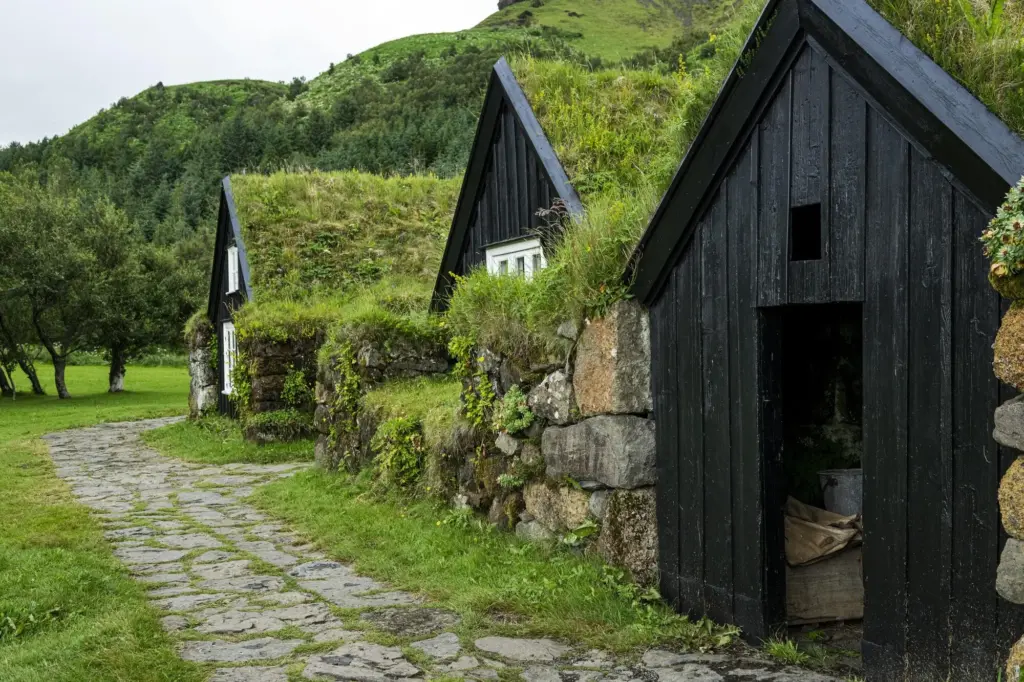
Invite regional thatchers and carpenters to critique your earliest form studies. They will show how reed length, bundle diameter, and pitch change the silhouette and lifespan. From Norfolk reed to water reed to wheat straw, each fiber bends differently and demands respectful geometry. When craft knowledge steers decisions, the shelter not only lasts longer but also reads as authentically local, like an old song sung with new breath and precise harmony.
Gathering Community Stories
Ask hikers about the first landmark they search for after parking: shade, a bench, a reliable map, a restroom, or space to hoist a pack. Record grandparents’ tales of haystacks, thatched cottages, or storm refuges. Translate these memories into details—rounded eaves that shed drips away from children, tactile posts for leaning, and a ridge profile echoing nearby farm clusters. Place is not invented; it is carefully remembered and then skillfully renewed.
Pitch, Eaves, and Ridge Logic
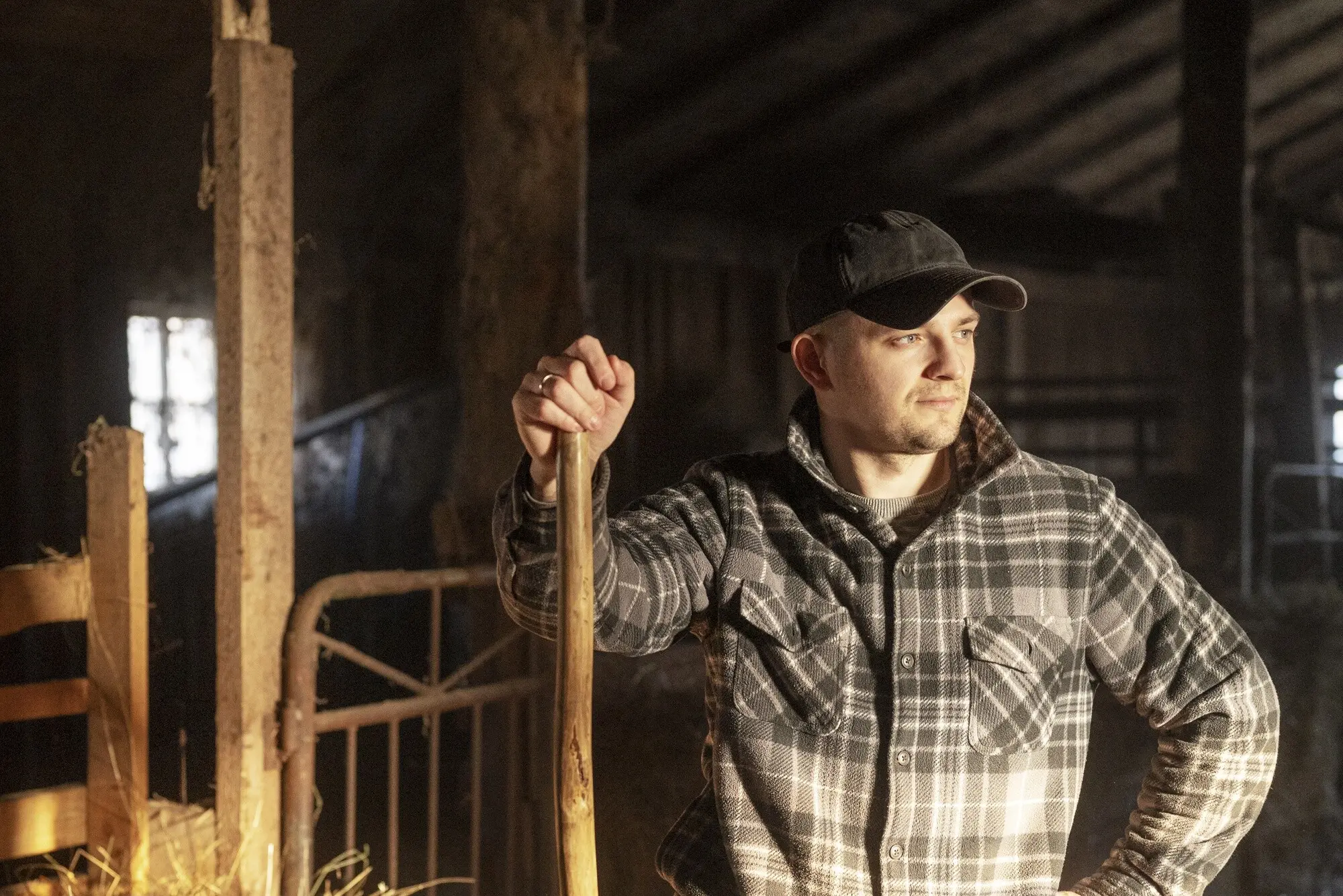
Aim for a roof pitch often between forty-five and fifty-five degrees to shed water decisively and extend thatch life. Maintain substantial thickness at the eaves to resist birds and driving rain, with controlled drip lines over entrances and maps. Ridge solutions—block, flush, or patterned—must consider snow shedding, maintenance access, and visual identity. A confident, legible roofline becomes both beacon and shelter, signaling safety before the weather turns sudden and loud.
Frames that Breathe
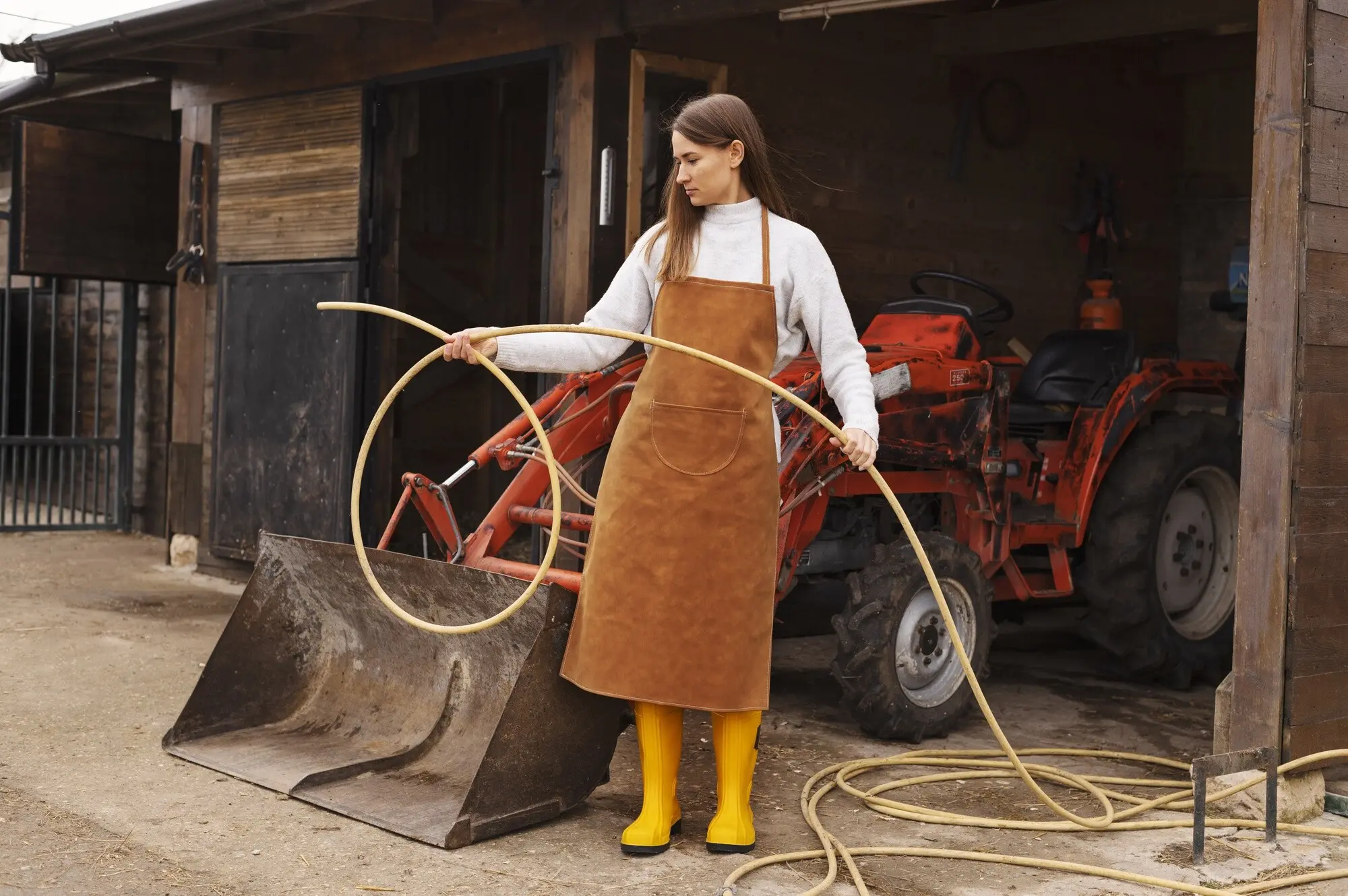
Use timber species that weather with dignity—larch, cedar, or oak—sized for local snow and wind loads. Space purlins to support reed tie points without crushing stalks, allowing air movement beneath. Ventilated construction limits decay and dries morning dew. Express joinery openly so hikers learn by looking, reading the physics in each brace. When every joint, peg, and strap earns its keep, the shelter ages with clarity, confidence, and repairable kindness.
Materials: Reeds, Grasses, and the Ecology of Harvest
Material choices shape durability, carbon, and identity. Locally harvested water reed or well-bundled straw, cut in the right season and cured carefully, can create thick, resilient, low-embodied-energy skins. Pair them with non-toxic preservatives, breathable membranes, and responsibly sourced timber. When procurement supports local wetlands and growers, the shelter becomes part of a regenerative loop, funding habitat stewardship, craft apprenticeship, and measurable biodiversity wins that hikers can celebrate with every return visit.
Comfort, Wayfinding, and Universal Access
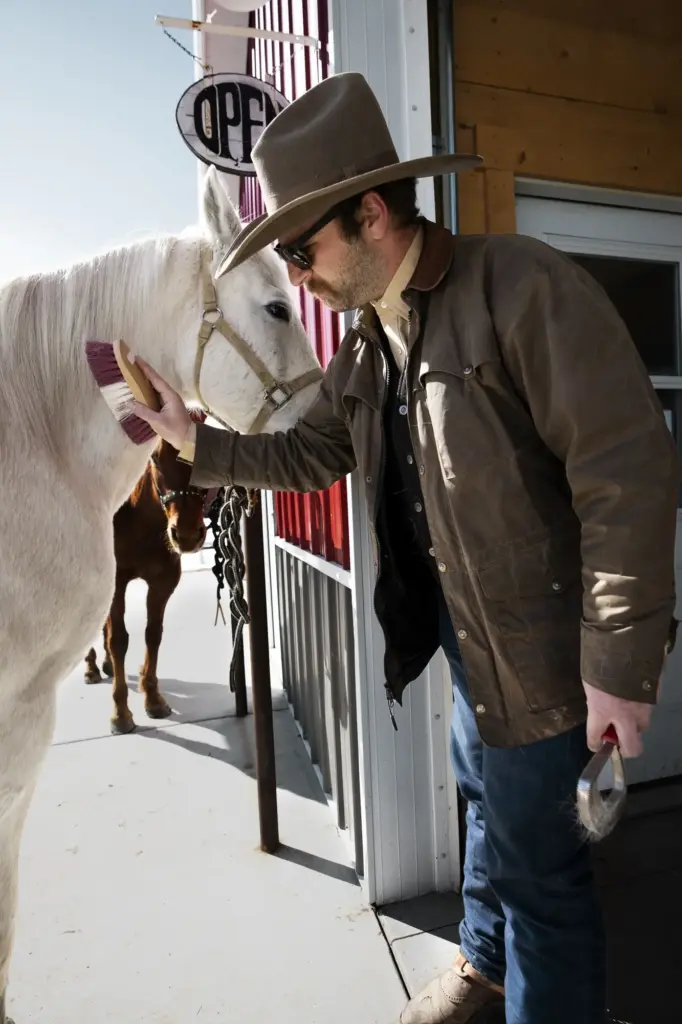
Shelter that Welcomes Every Body
Design routes without steps where possible, using firm, well-drained surfaces and handrails where slopes persist. Provide armrests to aid standing, backrests for lingering, and sheltered wheelchair spaces that remain dry in crosswinds. Mark edges with contrasting textures, and mount maps at reachable heights with braille and large print. The first minutes at a trailhead should reduce anxiety, not add it, helping families, elders, and new hikers feel unquestionably invited to continue forward.
Wayfinding Woven into Craft
Let the frame itself point the way. A subtly canted ridge can align to the main path, while carved post caps echo trail symbols. Eave notches cradle weatherproof map cases, always out of sun flare. Use color only where needed: a ribbon of painted timber marking routes, durable icons burned into edges, and reflective beads for twilight. When navigation hides inside beauty, people remember the message because their eyes enjoy reading it.
Microclimate, Light, and Sound
Shape openings to catch winter sun but block prevailing rain. Thatched thickness muffles harsh noise, turning storm hiss into a comforting hush. Low, warm light reflects from woven fibers without glare, making faces easy to read in photographs and meetings. Provide windbreak corners, slatted backs for airflow, and drip-free thresholds. Comfort is not luxury here; it is attention, composure, and kindness, measured in smiles while laces tighten and straps click into place.
Building Process, Budget, and Maintenance
Great shelters emerge from transparent process and real numbers. Start with mockups that test eave height, map placement, and the feel of the bench. Get permits early, documenting fire strategy and accessibility. Budget for craft time, not just materials; good thatching is slower than shingles but lasts astonishingly well. Provide a maintenance line item forever: ridge refresh cycles, bird deterring, and gentle brushing. What you plan to care for, you keep wonderful.
Stories from the Trail
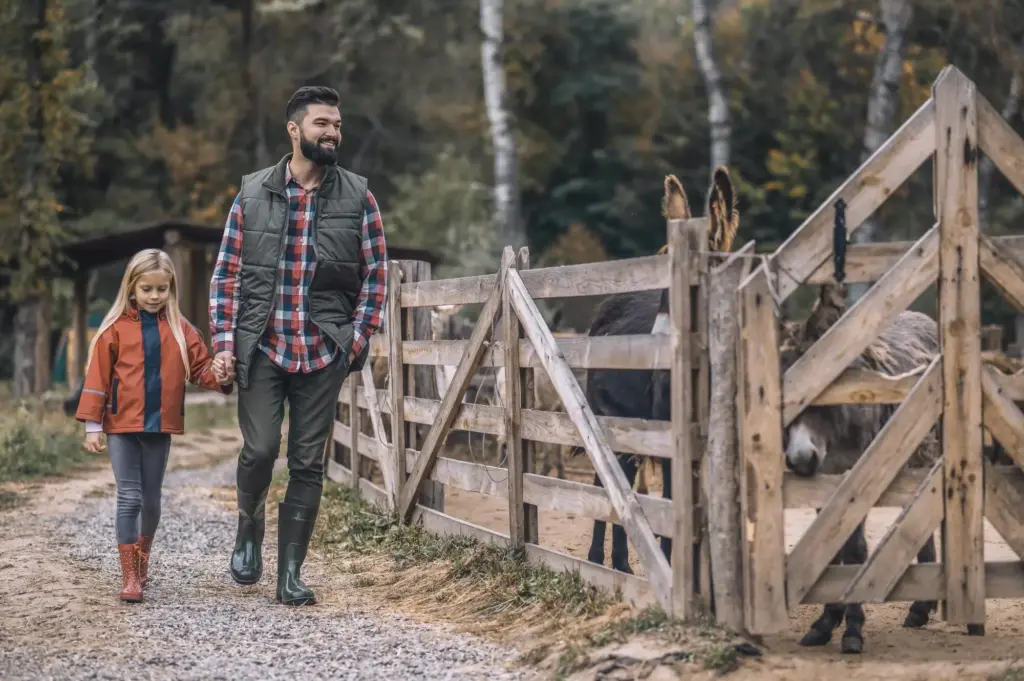
A Storm-Tested Refuge on the Ridge
On the third week after opening, sleet arrived sideways. The ridge shelter took the lash without flinching; hikers packed under deep eaves, reading maps kept bone-dry. Later we noticed scouring at one corner and added stones and plantings that calmed the gust. The lesson was humble: watch the first storms like teachers, then answer with patient tweaks. The next squall found us ready, quietly grateful, and slightly wiser together.
Apprenticeship Beside a Bundled Sheaf
A young volunteer learned to twist spars while listening to stories from a master thatcher who named every reed bed by smell. Their laughter slowed the work, yet each bundle landed tighter, cleaner, truer. Visitors asked questions, then handed up bundles, then stayed. Craft invited community, and community protected the craft. The shelter gained strength while people found belonging, fingers learning a language older than any drawing, tender and profoundly practical.
Your Turn: Share, Subscribe, and Meet Up
Tell us how your trailhead greets people today and what one change would improve the first five minutes of arrival. Post photos, drop measurements, challenge our details, or request drawings. Subscribe for build diaries, maintenance reminders, and callouts for volunteer days. We love replying to field notes from rainy Tuesdays. Your voice keeps this work honest, lively, and useful, transforming good intentions into places that truly serve every traveler arriving hopeful.
All Rights Reserved.